September in South Africa: Wildflowers, Whales and Wildlife
September ushers in spring in South Africa and is one of the most interesting times of year to visit. September is shoulder season, meaning you can expect fewer crowds and pleasant weather while still experiencing once-in-a-lifetime sights.
South Africa is a large country, bigger than every state in the United States, except Alaska. This means that even though it’s officially spring, climates across the country can differ, and so can the changes that happen during this special time.
In the West, millions of wildflowers cover landscapes that look dry and brown for most of the year. Along the southern coast, whales gather close enough to shore that you don’t need a boat to see them. And in Kruger National Park, the dry season is coming to an end, creating some of the year’s best conditions for spotting wildlife.
What Is the Weather Like in South Africa in September?
Packing for South Africa in September can be a little tricky because there isn’t a single answer for what the weather will be like.
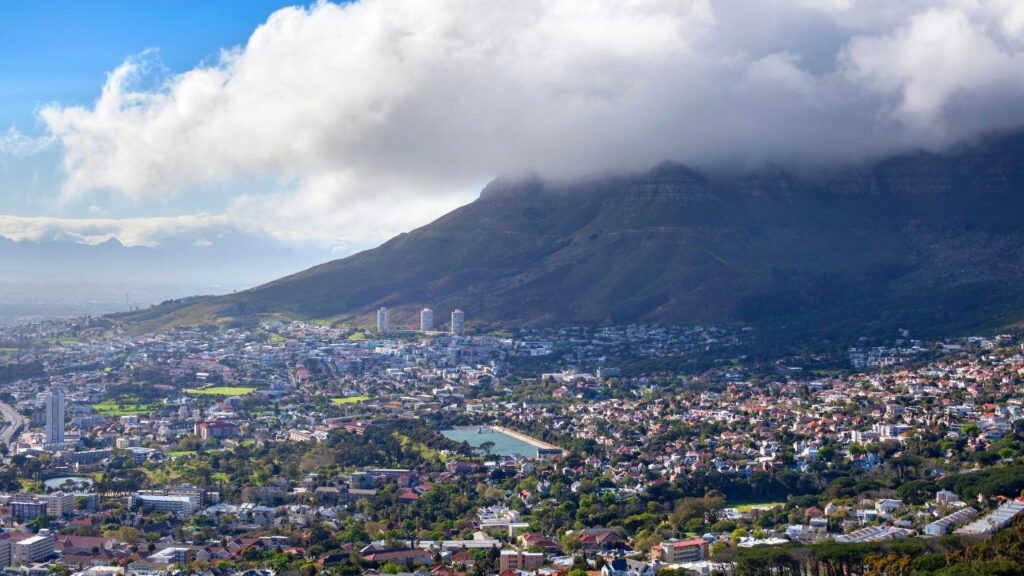
Cape Town and the Western Cape can still have cool, rainy days, especially early in the month. You’ll want layers and a rain jacket, even if the forecast looks good when you leave.
Head northeast toward Kruger National Park, and it’s a different story. September falls at the end of the park’s dry season, with warm, dry days and cooler nights.
Namaqualand Is Covered in Wildflowers
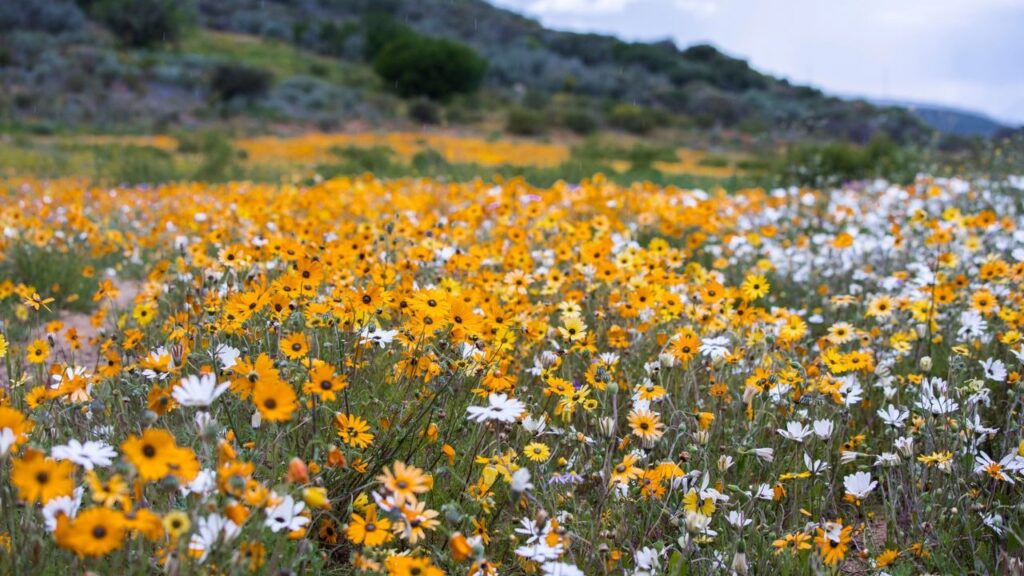
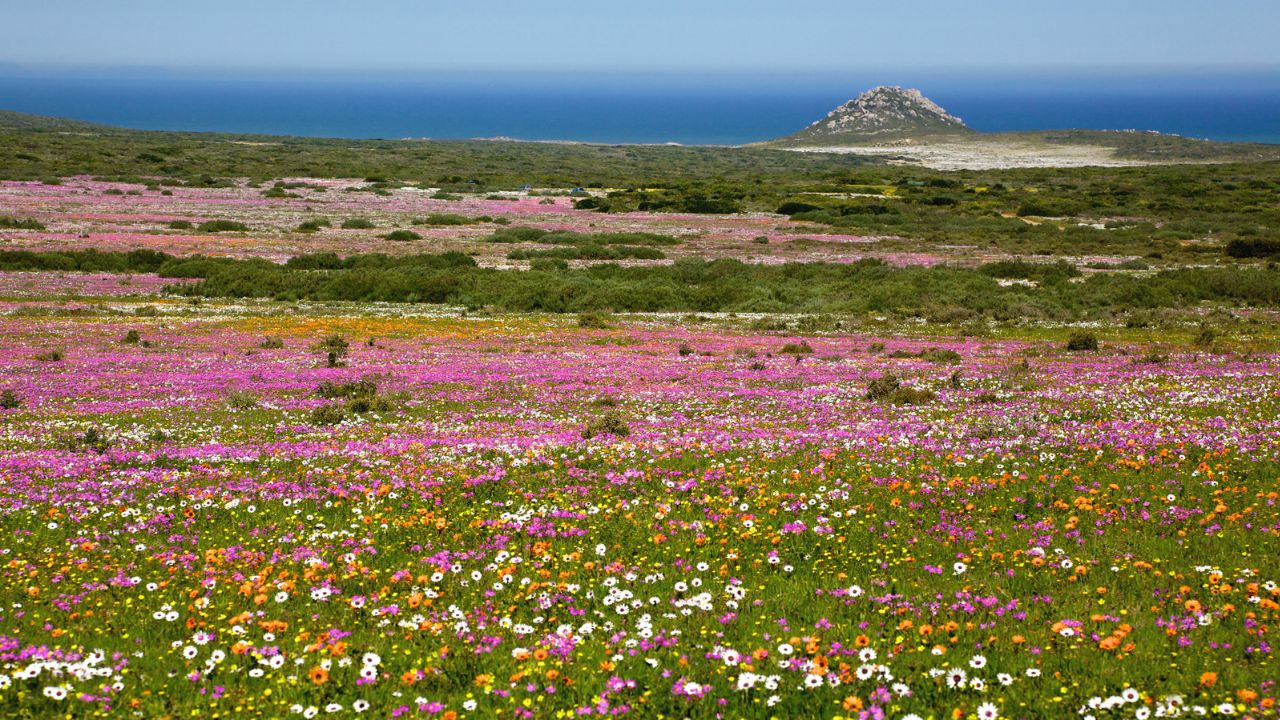
For most of the year, Namaqualand is an arid landscape in South Africa’s Northern Cape. After the winter rains come, wildflowers begin to bloom.
By August and September, huge stretches of land can be covered in orange, yellow, white, purple, and pink flowers.
Namaqua National Park lies within the Succulent Karoo and is home to an estimated 3,500 plant species. More than 1,000 of them are found nowhere else on Earth.
This year, early winter rain and consistently cool temperatures brought the first flowers out by late July. South African National Parks expects this year’s display to peak between mid-August and mid-September, although the exact timing always depends on the weather.
That’s important when planning a trip here. Wildflower season doesn’t run on a set schedule.
Even when the flowers are blooming, they can be surprisingly picky. Many open fully only when the sun is shining, and temperatures reach about 64°F (18°C).
West Coast National Park, north of Cape Town, also puts on a big spring display. Its Postberg section is normally closed to visitors but opens during flower season. Check with South African National Parks before planning a visit.
The Whales Have Arrived
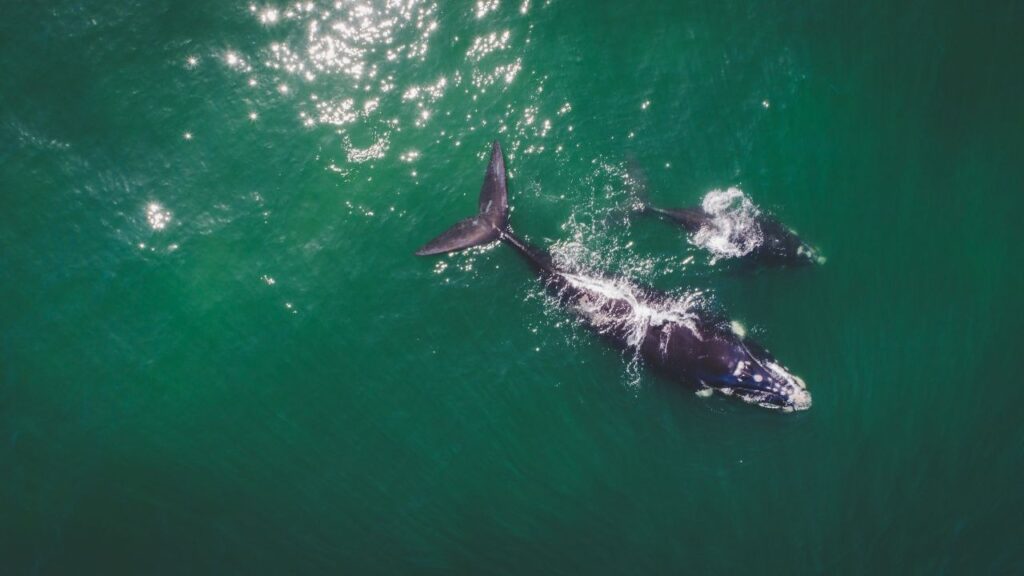
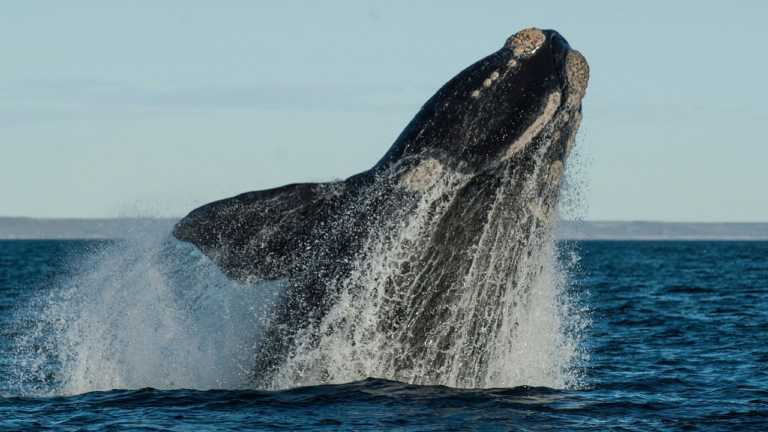
While flowers are taking over the land, southern right whales and humpbacks are gathering along South Africa’s southern coast.
The whales spend much of the year in colder southern waters before migrating north to warmer waters to mate and give birth. Along the Cape Whale Coast, southern right whales are generally present from June through November.
One of the easiest places to see them is Hermanus, about a two-hour drive from Cape Town.
You don’t even have to get on a boat. You can often see moms and their calves hugging the shoreline.
Hermanus sits along Walker Bay, where a cliffside path and several viewpoints make it possible to watch whales from shore. During whale season, sightings can happen while you’re walking the trail, sitting at a lookout, or even eating breakfast overlooking the water.
Hermanus also has something you probably won’t find in another whale-watching town: a Whale Crier.
When whales are spotted, the town’s Whale Crier blows a horn made from kelp to let people know they’re nearby. The tradition began in 1992 and has become one of Hermanus’ best-known quirks.
Boat tours also operate during whale season for travelers who want to get out on the water.
Wildlife viewing in Kruger National Park
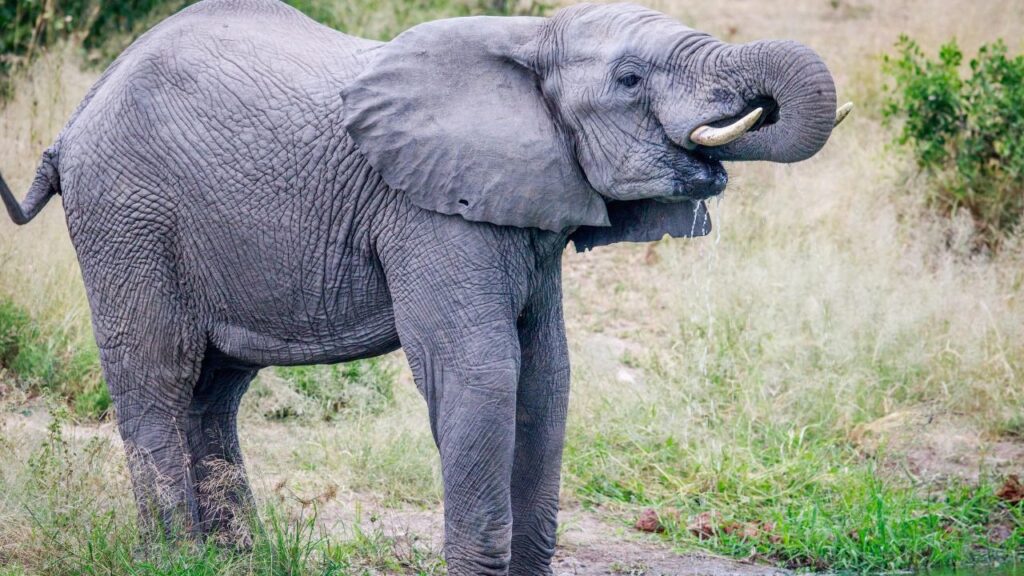
September is also one of the last months of the dry season in Kruger National Park.
That might not sound particularly exciting until you realize what the lack of rain does for wildlife viewing.
As water becomes scarce, animals spend more time around rivers and watering holes. Vegetation is also thinner, making it easier to see wildlife that might otherwise disappear behind thick green foliage later in the year.
Elephants, giraffes, zebras, buffalo, antelope, and plenty of other animals gather near dependable water sources. Kruger is also home to lions, leopards, rhinos, and African wild dogs.
By October, summer rains generally begin returning to Kruger. Water becomes more plentiful, vegetation starts growing again, and the landscape begins to change, making it more difficult to spot wildlife through the brush.
Three Seasons in One Trip
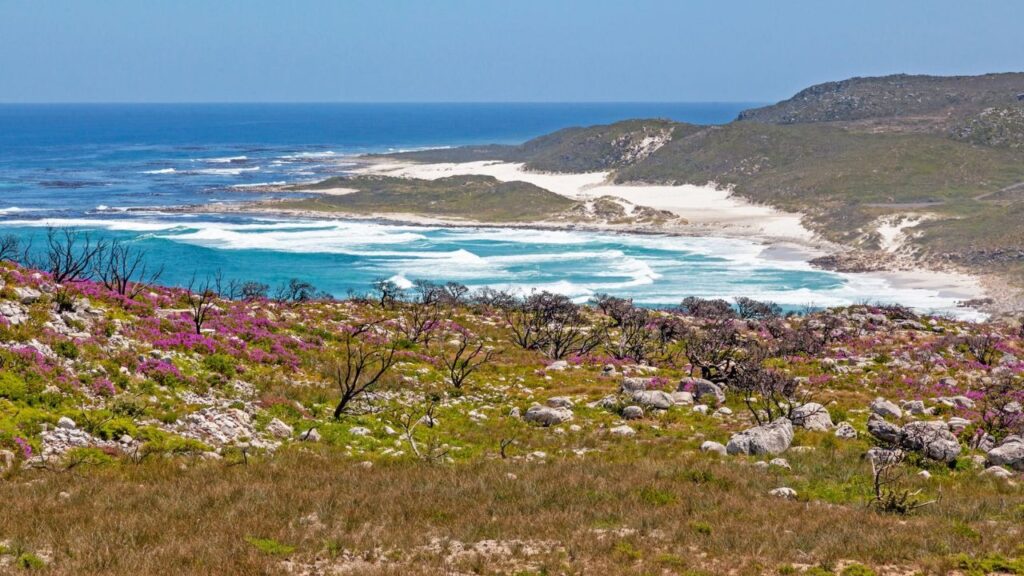
South Africa covers more than 470,000 square miles, so you aren’t going to wake up in Kruger, wander through the Namaqualand flowers after lunch, and watch whales in Hermanus before dinner.
But you can experience all three on the same trip.
That’s what makes September stand out. There are only a few weeks when peak or near-peak wildflower season overlaps with whales along the coast and the final stretch of Kruger’s dry safari season.
The flowers will fade. The whales will eventually leave. Rain will return to Kruger, turning the dry landscape green again.
For a short stretch of spring, they’re all here at once, and you should see them while they last.